
Augment

Running Design Sprints Remotely: A Practical Guide

The design sprint was built for a room full of sticky notes. With the right setup, it works just as well on a screen.

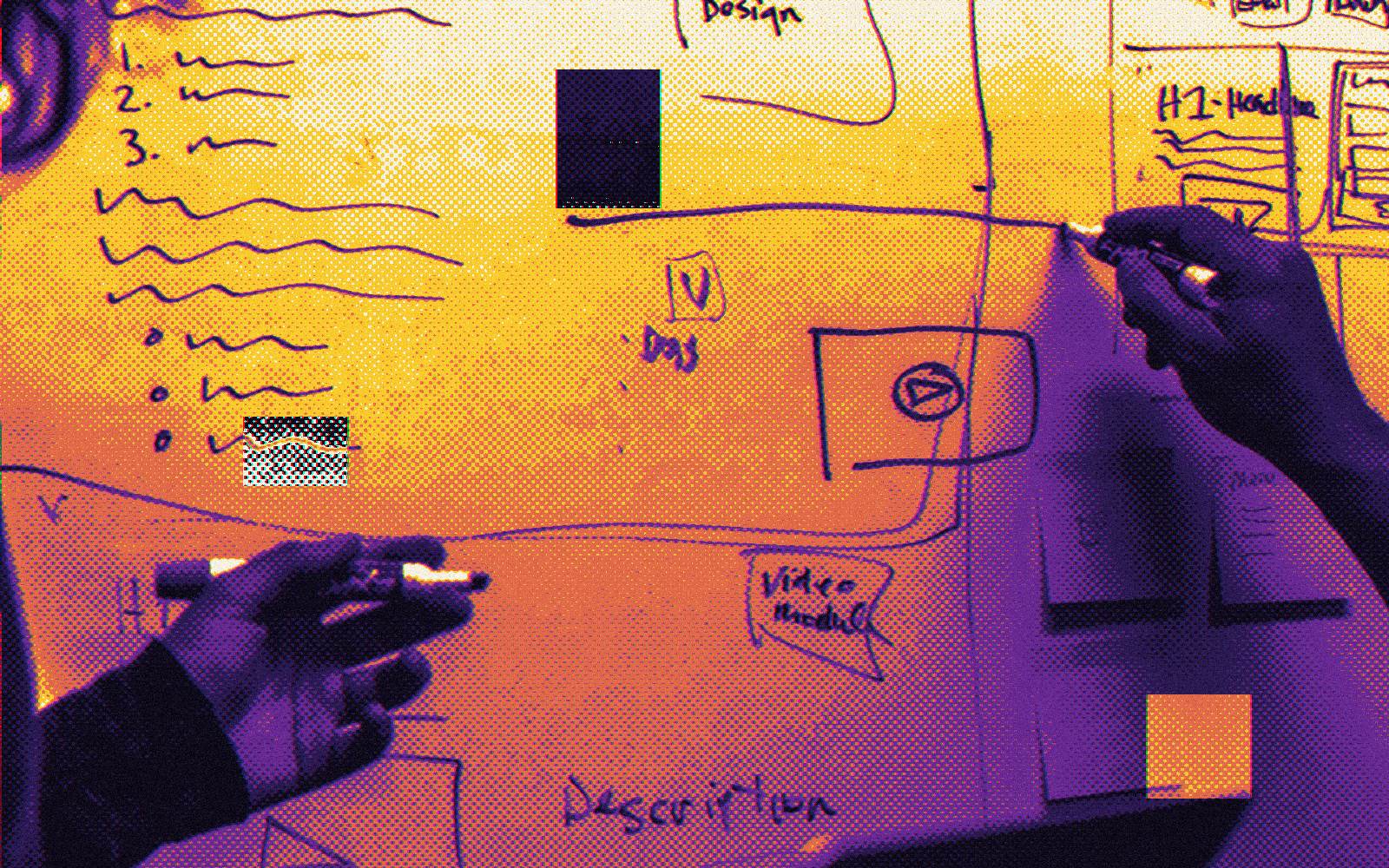
Hands sketching a UX flow on a whiteboard during a design workshop
Photo by Kaleidico on Unsplash, with an Augment halftone treatment
Executive Summary

Key Takeaways

  • A sprint compresses weeks of debate into days: map, sketch, decide, prototype, and test.
  • Remote sprints need more structure: tight timeboxes, clear roles, and a digital whiteboard.
  • Keep the group small and the sessions shorter, spread across more days if needed.
  • The test with real users at the end is the point. Do not skip it.

What a sprint is

The design sprint, developed at Google Ventures, is a structured process for answering critical questions through design, prototyping, and testing with customers. The original format runs five days: map, sketch, decide, prototype, test.

A remote-friendly schedule

Day 1

Map

Agree on the challenge, interview experts, and pick a target.

Day 2

Sketch

Each person sketches solutions alone, then the group reviews.

Day 3

Decide

Vote on the best ideas and storyboard the flow.

Day 4

Prototype

Build a realistic prototype that is good enough to test.

Day 5

Test

Interview five customers and watch them use it.

For remote teams, shorten each session to about four hours, and spread over more days if time zones demand it.

Tools and setup

  • A shared digital whiteboard for maps, notes, and voting.
  • A video call with the facilitator able to share a timer.
  • A prototyping tool the whole group can view.
  • A shared document for decisions and assumptions.

Tips for success

  • Pick one clear question the sprint must answer.
  • Include a decider, someone who can make the call.
  • Keep the group to five to seven people.
  • Use silent work for sketching and voting, so loud voices do not dominate.
  • Book user interviews before the sprint begins.

After the sprint

Write up what you learned, decide on the next step, and act quickly. A sprint can show that an idea is worth building, needs changes, or should be dropped. All three outcomes are good, because you learned in days instead of months.


Frequently Asked Questions

A structured, time-boxed process, usually five days, to answer a key question through mapping, sketching, deciding, prototyping, and testing with users.

Sources and further reading

  1. The Design SprintGV (Google Ventures) · Undated page · Accessed
  2. Usability (User) Testing 101Nielsen Norman Group · Published · Updated · Accessed
  3. Why You Only Need to Test with 5 UsersNielsen Norman Group · Published · Updated · Accessed

Credits

  • Written by Augment Editorial Team, Product design and engineering, Augment Lab.
  • Cover photo Photo by Kaleidico on Unsplash, with an Augment halftone treatment, used under the Unsplash License.
  • Research Statistics and standards are cited from the sources above. Always check the original page for the latest version.

Augment Product Design

Ready to make your product clearer?

From first concept to go-live, we turn complex product ideas into clear, useful experiences.

Running Design Sprints Remotely: A Practical Guide | Augment. Lab